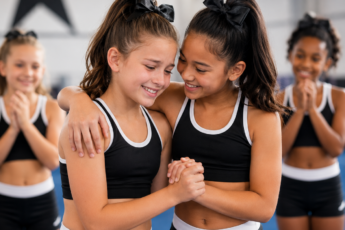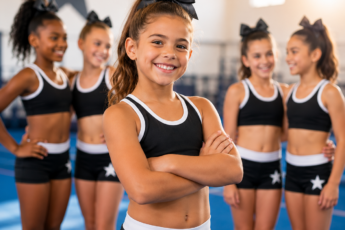
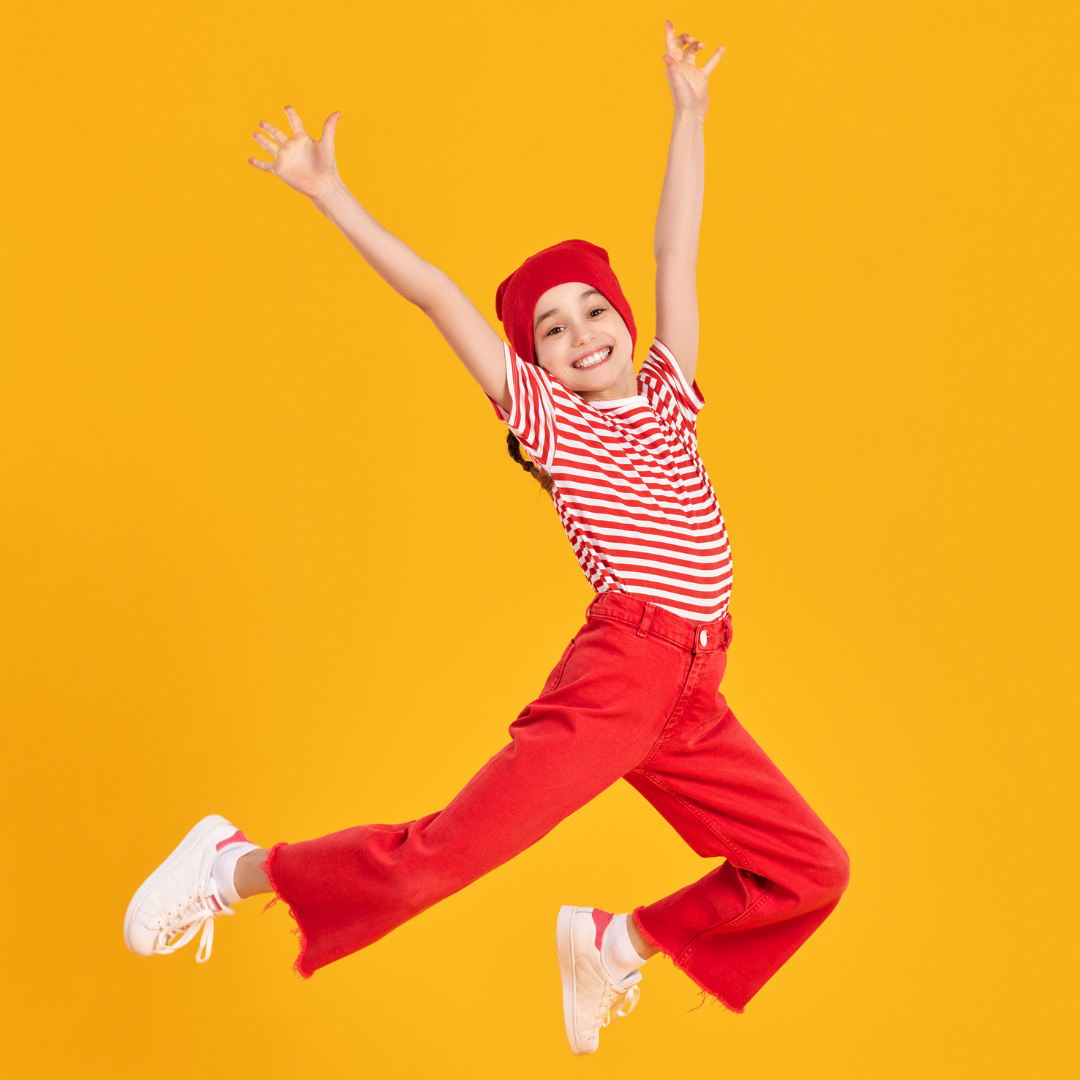
Cheerleading emphasizes teamwork and cooperation, where every member plays a crucial role in the squad’s success. Working together to learn routines and support each other during performances fosters a sense of belonging and confidence within the team. Tumbling classes also encourage peer support and camaraderie, reinforcing the importance of collaboration.
⸻
4. Performance and Presentation Skills
Cheerleaders and tumblers often perform in front of an audience, whether at competitions, games, or showcases. This experience helps children develop poise, public speaking skills, and the ability to perform under pressure. Over time, they become more comfortable expressing themselves and showcasing their talents confidently.
⸻
5. Celebrating Achievements
Both sports celebrate individual and team achievements, from mastering a new stunt to winning a competition. Recognizing and celebrating these milestones boosts children’s self-esteem and encourages them to set new goals. The positive reinforcement they receive motivates them to continue striving for excellence.
⸻
6. Mental Toughness and Focus
Cheerleading and tumbling require mental toughness and concentration. Learning to focus during practices and performances teaches children valuable skills in managing stress and staying composed under challenging circumstances. These mental skills are transferable to academic settings and other extracurricular activities.
⸻
Conclusion
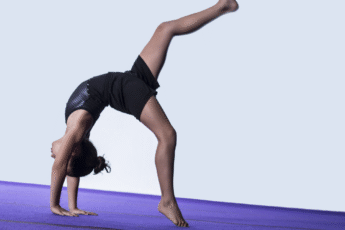
Cheerleading and tumbling provide a supportive environment where children can develop confidence, resilience, and valuable life skills. Whether they pursue these sports for recreation or competition, the benefits extend far beyond physical fitness. Encourage your child to explore cheerleading or tumbling as a way to build lasting confidence and self-assurance.